



The exterior color of your home is the first impression it makes, significantly impacting its curb appeal and overall aesthetic. For homes with vinyl siding, choosing the right paint color can transform a dated or faded look into a fresh, modern statement. With advancements in “vinyl-safe” paint technology, the palette of possibilities has expanded, allowing homeowners to personalize their exteriors while ensuring durability. Selecting the perfect hue involves considering architectural style, surrounding environment, and future resale value. Selio Silva Painting specializes in exterior transformations, guiding homeowners through color choices to achieve stunning and long-lasting curb appeal.
Transform your home’s exterior with the perfect paint color for your vinyl siding. Explore trending shades, understand the nuances of light versus dark, and learn how strategic color choices can boost your home’s curb appeal and even its resale value.
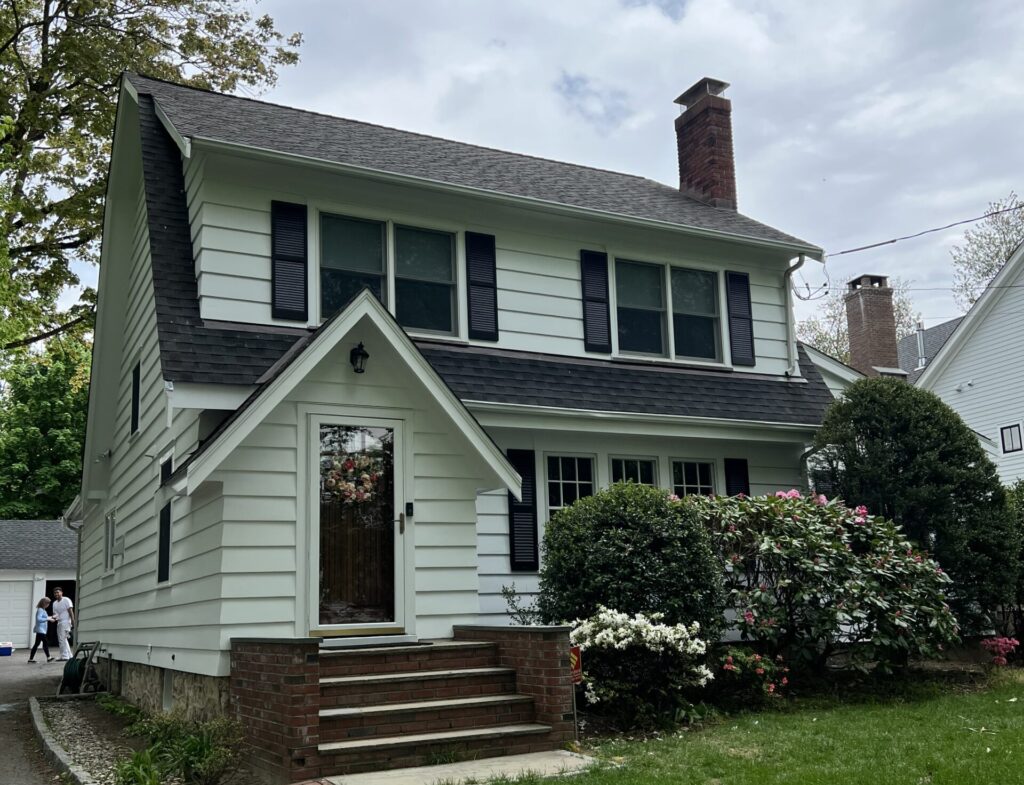
How to choose the right color
Selecting the best paint color for your vinyl siding involves balancing personal preference with practical considerations to ensure a cohesive and appealing result.
- Consider Your Home’s Architecture:
- Traditional Homes (e.g., Colonial, Craftsman): Often suit classic, understated colors like muted blues, sage greens, warm grays, or timeless off-whites.
- Modern Homes: Can embrace bolder choices like charcoal grays, deep blues, or even a sleek white with contrasting trim.
- Ranch/Contemporary: More adaptable, allowing for a wider range of modern neutrals, mid-tone colors, or subtle color blocking.
- Harmonize with Fixed Elements:
- Roof Color: Your roof is a major fixed element. Choose colors that complement or contrast pleasantly with its shade (e.g., a dark gray roof pairs well with lighter grays, blues, greens; a brown roof with warm grays, beiges, or earthy greens).
- Stone, Brick, or Natural Accents: If your home has existing stone, brick, or unpainted wood elements, pull colors from their undertones to ensure harmony.
- Landscaping: Consider the dominant colors of your landscaping throughout the seasons.
- Neighborhood Context: While you want your home to stand out, you also want it to fit in. Observe the general color palette of homes in your neighborhood. You can choose a unique shade that still complements the overall aesthetic.
- Lighting Conditions: Paint colors appear differently under various lighting conditions (morning sun, afternoon shade, cloudy days). Always test large paint samples on your siding and observe them throughout the day.
- Vinyl-Safe Paint Limitations: Remember to only choose colors specifically designated as “vinyl-safe” by the paint manufacturer, especially if considering darker shades. This is crucial to prevent heat-related warping of your siding.
- Personal Preference: Ultimately, you live there! While considering all factors, choose a color that you genuinely love and that reflects your personal style.
Trending colors for modern homes
Modern homes often gravitate towards sophisticated, clean, and sometimes dramatic color palettes that enhance their architectural lines and contemporary feel.
- Warm Grays (Greige): A perennial favorite, greige offers the perfect balance between warm and cool, making it incredibly versatile. It provides a sophisticated, inviting neutral backdrop that works with almost any trim or accent color.
- Deep Blues (e.g., Navy, Slate Blue): For a bold yet classic statement, deep blues are popular. They evoke a sense of calm and sophistication, pairing beautifully with crisp white trim or natural wood accents for a timeless look.
- Charcoal Gray/Dark Gray: A powerful, modern choice, charcoal gray creates a striking contrast with white or light-colored trim. It offers a sleek, chic aesthetic, making the home feel grounded and contemporary.
- Sage Green/Earthy Greens: These muted, natural greens bring a calming, organic feel to the exterior. They blend beautifully with natural landscapes and offer a fresh take on traditional colors, often paired with creamy whites or natural wood tones.
- Crisp White/Off-White: For a truly timeless and clean look, pure white or warm off-whites are increasingly popular. They offer a bright, fresh appearance, especially when contrasted with dark window frames or a black front door for a modern farmhouse or minimalist style.
- Earthy Brown/Taupe: Moving beyond traditional beige, deeper earthy browns or warm taupes offer a rich, grounding presence. They pair well with natural stone or wood accents for a rustic yet modern feel.
Light vs Dark shades: What to consider
The choice between light and dark shades for vinyl siding is more than just aesthetic; it involves crucial considerations for the material’s integrity.
Light shades (e.g., whites, pale grays, light greiges, pastels)
- Pros:
- Heat Reflection: Reflect more sunlight, which is safer for vinyl siding as it minimizes heat absorption and reduces the risk of warping or buckling. This is why light colors are generally “safe” for all vinyl.
- Energy Efficiency: Can contribute to a cooler home by reflecting solar heat.
- Spacious Feel: Make a home appear larger and more open.
- Versatility: Offer a versatile backdrop, allowing more freedom with trim, door, and landscape colors.
- Show Less Fading: Fading due to UV exposure is less noticeable on lighter colors over time.
- Cons:
- Show Dirt More: Lighter colors tend to show dirt, grime, and mildew more readily, potentially requiring more frequent cleaning.
- Less Dramatic: May not offer the bold statement some homeowners desire.
Dark shades (e.g., charcoal, navy, forest green)
- Pros:
- Dramatic Impact: Create a strong, sophisticated, and modern aesthetic, making a home stand out.
- Curb Appeal: Can significantly boost curb appeal with a bold, contemporary look.
- Hide Dirt: Tend to hide dirt and minor imperfections better than lighter colors.
- Cons:
- Heat Absorption Risk: The primary concern. Dark colors absorb more solar heat, which can cause vinyl siding to warp, buckle, or sag if the paint isn’t specifically “vinyl-safe.” You must use paints formulated with heat-reflective pigments.
- Fading: Darker colors can show UV fading more noticeably over time, potentially appearing duller or chalkier faster than lighter shades.
- Heat Transfer: Can contribute to higher indoor temperatures, potentially impacting energy costs if insulation isn’t adequate.
Crucial Advice: If opting for a dark shade on vinyl siding, always choose a paint explicitly labeled “vinyl-safe” and select colors from the manufacturer’s approved vinyl palette to minimize the risk of heat-related damage.
Matching trim and accent features
The interplay between your siding color, trim, and accent features is vital for a cohesive and high-impact exterior design.
- Classic Contrast (White Trim):
- Strategy: Pairing a main siding color (especially dark or mid-tone grays, blues, greens) with crisp white trim creates a timeless, clean, and elegant look that emphasizes architectural details.
- Effect: White trim brightens the facade and makes the main color pop.
- Subtle Contrast (Off-White/Cream Trim):
- Strategy: Using an off-white or cream trim (rather than stark white) provides a softer contrast, often warmer, which works beautifully with earthy tones, warm grays, or even muted blues/greens.
- Effect: Creates a more inviting, less stark appearance.
- Monochromatic/Tonal (Same Color, Different Sheen/Shade):
- Strategy: Painting siding and trim in very similar shades of the same color, or varying the sheen (e.g., flat siding with satin trim).
- Effect: Creates a sophisticated, understated, and cohesive look. This is common in modern or minimalist designs.
- Accent Features (Doors, Shutters, Porch Ceilings):
- Front Door: The front door is a prime opportunity for a bold pop of color. Choose a complementary or contrasting color that draws the eye and expresses personality (e.g., a bright red door on a gray house, a sunny yellow on a blue house).
- Shutters: Can match the front door for continuity, or be a darker version of the main siding color, or a contrasting neutral.
- Porch Ceilings (Haint Blue): A light blue ceiling on a porch is a traditional Southern touch believed to ward off insects and evil spirits, and it adds a charming, airy feel.
- Window Grilles/Muntins: Can match the window frame color or the trim color.
Tip: Create a color palette board with samples of your siding color, trim color, and potential accent colors for your door or shutters to see how they interact before committing.
How paint affects resale value
The exterior paint color of your home can significantly influence its appeal to potential buyers and, consequently, its resale value.
- Positive Impact (Increased Value/Faster Sale):
- Neutral & Broadly Appealing Colors: The safest bet for resale. Colors like light to medium grays, greiges, off-whites, and soft blues or greens are widely popular and generally appeal to a broad range of buyers, making it easier for them to envision their belongings in the space.
- Cohesive & Well-Maintained Look: A freshly painted exterior, regardless of the exact color, signals that the home has been well-cared for. This instantly boosts perceived value.
- Harmony with Architecture: A color that complements the home’s architectural style enhances its curb appeal, making it more attractive to potential buyers.
- Negative Impact (Reduced Value/Slower Sale):
- Overly Bold or Unique Colors: While personal to you, very bright, unconventional, or highly specific color choices can deter buyers who may not share your taste. They might see it as an immediate repaint project, which factors into their offer.
- Poorly Applied/Failing Paint: Peeling, faded, or streaky paint dramatically reduces curb appeal and signals a lack of maintenance, often leading to lower offers or longer time on the market.
- Inconsistent Colors: A mismatched exterior palette (e.g., siding, trim, door, and roof all clashing) can confuse buyers and diminish the home’s perceived value.
- Vinyl Siding Warping: If the wrong paint was used, and the vinyl siding has warped or buckled, this signals a significant and costly problem that will deter buyers.
In summary, for optimal resale value, choose a timeless, widely appealing color for your vinyl siding that complements your home’s style and is expertly applied. Selio Silva Painting helps homeowners achieve beautiful, long-lasting exterior paint jobs that enhance both curb appeal and potential resale value.