



Dark gray exterior house paint offers a sophisticated, contemporary, and incredibly versatile aesthetic that has become a staple in modern home design. Ranging from deep charcoals to softer slate tones, dark gray provides a grounded and elegant backdrop that allows architectural details and landscaping to truly shine. This guide will explore popular dark gray shades, how to pair them with various exterior elements, the impact of natural light, and important considerations for painting your home dark gray.
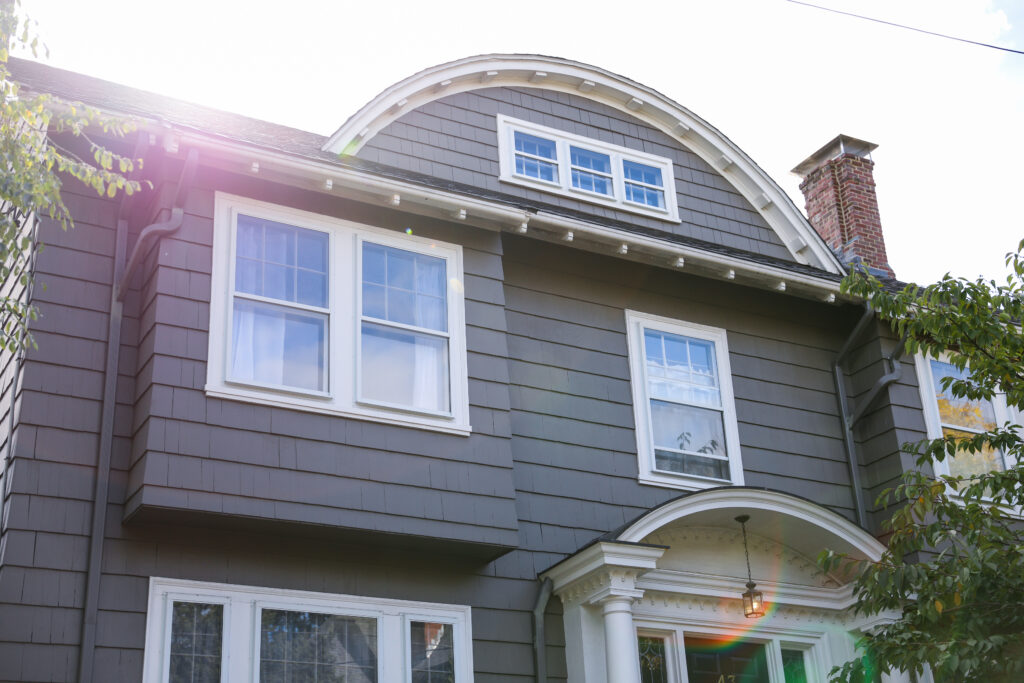
Best gray shades for exterior: Greyscape, iron ore, agreeable gray
The spectrum of dark gray exterior paints is surprisingly broad, with each shade possessing unique undertones that influence its overall appearance. Here are popular types and their general qualities:
- Greyscape (Representative of a True Dark Gray):
- Description: A balanced, deep gray with minimal discernible undertones, often appearing as a classic, strong charcoal.
- Visual Effect: Creates a bold, contemporary, and sophisticated statement. It’s a true neutral that provides excellent contrast.
- Best For: Modern, industrial, minimalist, and contemporary homes where a strong, impactful presence is desired.
- Iron Ore (Representative of Deep Charcoal/Off-Black with Undertones):
- Description: A very dark charcoal gray that often reads as black in most lighting conditions but reveals its subtle warm (brown) or cool (blue/green) undertones up close or in bright light, depending on the specific formulation.
- Visual Effect: Offers a rich, grounded, and sophisticated look. It’s a popular choice for those who want the drama of black but with a slightly softer, more complex edge.
- Best For: Contemporary, traditional, or transitional homes where a deep, complex dark neutral is preferred over pure black.
- Agreeable Gray (Representative of a Versatile Light-to-Mid Tone Greige):
- Description: While not a “dark” gray, Agreeable Gray is a highly popular and versatile greige (a blend of gray and beige) that exemplifies how even lighter neutrals can be impactful. It has warm, subtle beige undertones.
- Visual Effect: Creates a soft, inviting, and timeless aesthetic. It can appear more gray in cool light and more beige in warm light.
- Best For: Traditional, farmhouse, and transitional homes that desire a neutral that offers warmth and broad appeal. Its inclusion here highlights the spectrum of “gray” and how even lighter, complex neutrals are chosen for their ability to complement various elements.
- Deep Slate Gray (Representative of Gray with Blue/Green Undertones):
- Description: A dark gray that leans distinctly into blue or green, giving it a more natural, earthy, or moody feel.
- Visual Effect: Adds depth and sophistication. Can evoke a sense of calm or a connection to natural elements like stone or water.
- Best For: Homes with a natural setting, coastal properties, or those seeking a nuanced dark color that isn’t just pure gray.
Pairing gray with stone, brick & trim accents
A dark gray exterior provides a versatile canvas, allowing for striking contrasts and sophisticated pairings with various exterior materials and accents.
- Stone & Brick Combinations:
- White/Light Stone: White or light-colored natural stone (e.g., limestone, light gray granite) or painted brick creates a stunning and luxurious contrast with dark gray siding, emphasizing texture and depth.
- Gray Stone: Various shades of gray stone (from light to dark charcoal) can create a sophisticated, monochromatic, or layered look with dark gray paint, depending on the specific undertones.
- Red Brick: Dark gray paint can create a striking, modern contrast with traditional red brick. Consider a gray with a subtle warm (brown) undertone to tie into the brick’s warmth, or a cool gray for a more stark, contemporary look.
- Dark Stone: Darker stone accents (e.g., black granite, dark slate) can blend seamlessly with dark gray paint for a bold, cohesive, and grounded aesthetic.
- Trim Colors (Most Popular Choices):
- Crisp White: The most classic and popular choice. A clean, bright white trim (e.g., a pure white or a slightly cool white) provides a sharp, elegant contrast against dark gray, making the house pop and highlighting architectural details. This creates a very modern and timeless look.
- Cream/Off-White: For a softer, more traditional, or inviting look, especially with grays that have warmer undertones (like “Agreeable Gray” or some “Iron Ore” variations), a creamy or off-white trim can be beautiful. It offers contrast without being as stark as pure white.
- Natural Wood: Stained wood trim or accents (e.g., cedar, redwood, dark walnut) create a warm, organic, and sophisticated contrast against dark gray. This is particularly popular for modern farmhouse or contemporary designs.
- Black/Very Dark Gray: A black or very dark gray trim can create a subtle, monochromatic, and sleek look, especially with a lighter dark gray house. It offers a less stark contrast than white while maintaining depth.
- Front Door Colors (Statement Makers):
- Vibrant Hues: Bright yellow, deep red, emerald green, or a bold turquoise can create a striking and inviting pop of color against a dark gray.
- Natural Wood: A rich, stained wood door is a highly popular and elegant choice against dark gray, adding warmth and organic beauty.
- Classic Black: A black door creates a sophisticated, elegant, and strong focal point.
- White: A crisp white door provides a clean, classic, and welcoming contrast.
- Roofing: Black, dark gray, or charcoal roofs are the most common and complementary choices for dark gray homes, creating a cohesive and powerful aesthetic.
Light impact: How shade appearance changes outdoor
The way a dark gray paint color appears on your home’s exterior will shift dramatically depending on natural light conditions and the surrounding environment.
- North-Facing Homes: These homes receive cooler, indirect light throughout the day. Dark grays here will appear deeper, sometimes almost black, and any cool undertones (blue, green) will be more pronounced. Consider grays with subtle warm undertones to prevent the house from looking too cold.
- South-Facing Homes: Receive abundant, warm, and direct light. Dark grays will appear brighter and truer to their color. Warm undertones will be more apparent, and the color might seem less intense than on a north-facing wall.
- East-Facing Homes: Get bright, warm morning light, which turns cooler in the afternoon. Dark grays will look their truest in the morning, then deepen and potentially show more cool undertones later in the day.
- West-Facing Homes: Receive intense, warm afternoon light. Dark grays can look very vibrant or even slightly washed out in direct, strong sun. Observe how the color appears during the evening hours when it’s most visible.
- Overcast Days: On cloudy days, colors will appear more muted and flat, and their true undertones will be less apparent.
- Surrounding Landscape: The colors of your landscaping (trees, shrubs, flowers) can subtly influence how the gray appears. Green foliage can make a gray with green undertones pop, or make a neutral gray feel more earthy.
- Neighboring Homes: Consider the colors of adjacent houses. Your chosen dark gray should complement, not clash with, the overall neighborhood aesthetic.
Tip: Always test large paint samples on different sides of your home. Observe them at various times of day and under different weather conditions (sunny, cloudy) to see how the undertones truly emerge and how the color shifts.
Energy efficiency & heat absorption considerations
Painting a home a dark exterior color, including dark gray, comes with specific practical considerations related to heat absorption and energy efficiency.
- Heat Absorption: Dark colors absorb more solar radiation than lighter colors. This means the exterior surface of a dark gray house will get significantly hotter in direct sunlight compared to a white or light-colored home.
- Impact on Paint: Increased surface temperature can lead to accelerated fading, chalking, and premature breakdown of the paint film, especially if a low-quality product is used. This can result in the need for more frequent repainting.
- Impact on Interior Temperature: The absorbed heat can transfer into your home, potentially increasing cooling costs during warmer months if your home’s insulation and ventilation are not adequate.
- Fading (UV Degradation):
- Vulnerability: All paint colors fade over time due to UV exposure, but dark colors tend to show fading more dramatically, appearing dull or chalky. Grays with strong undertones might show the underlying pigment more as they fade.
- Mitigation:
- High-Quality Paint: Invest in premium-grade exterior paint specifically formulated with advanced UV-resistant pigments and durable binders. These paints are designed to resist fading and maintain color integrity longer.
- Number of Coats: Ensure at least two full coats are applied for optimal color depth and protection.
- Proper Priming: A tinted primer helps ensure a uniform base and can contribute to better color retention.
- Chalking: As paint breaks down from UV exposure, a fine, powdery residue (chalk) can appear on the surface. This is more noticeable on dark colors.
- Dirt and Dust: While dark gray can hide some minor imperfections, dust, pollen, and light-colored dirt can be more visible on a dark surface.
- Maintenance: Regular, gentle cleaning (e.g., soft washing with a hose and mild detergent) can help maintain the appearance and remove surface contaminants.
- Thermal Expansion/Contraction: The greater heat absorption can lead to more significant thermal expansion and contraction of the siding material, potentially stressing paint adhesion over time.
Recommendation: For dark gray exteriors, prioritize paint quality above all else. A cheaper paint will likely fade and degrade much faster, leading to more frequent repainting and higher long-term costs. Consider the climate you live in and ensure your home’s insulation is robust if choosing a dark color.
Selio Silva Painting samples & finish workflow
Choosing the perfect dark gray exterior paint color is a significant investment in your home’s curb appeal and value. At Selio Painting Silva, we employ a meticulous workflow to ensure you select a shade that perfectly enhances your home and achieves a crisp, durable finish.
- In-Depth Color Consultation: We begin with a personalized consultation to understand your vision, your home’s architectural style, and existing fixed elements (roof, stone, brick). We discuss how different dark gray shades and their undertones will interact with your home’s unique characteristics.
- Strategic Sample Application: We guide you through the crucial step of applying large paint samples (not just small swatches) directly onto different sides of your home’s exterior. This allows you to observe how the dark gray shades appear under various natural light conditions (morning, afternoon, sunny, cloudy) and against your existing trim and stone.
- Premium Paint Selection: Based on the consultation and sample observation, we recommend and utilize only top-tier, high-performance exterior paints specifically formulated for dark colors. These paints contain advanced UV-resistant pigments and durable resins that combat fading and chalking, ensuring your dark gray remains rich and vibrant for years.
- Meticulous Surface Preparation: A flawless dark finish requires an impeccable canvas. Our process includes:
- Thorough cleaning to remove all dirt, grime, and mildew.
- Expert scraping and sanding to create a perfectly smooth surface.
- Precise filling of all cracks, holes, and imperfections.
- Application of a high-quality, tinted primer (often a dark gray primer) to ensure uniform color, maximum adhesion, and enhanced durability of the topcoats.
- Expert Application Techniques:
- Multiple Coats: We apply a minimum of two full coats, and often three, to achieve complete opacity, deep color saturation, and optimal protection.
- Controlled Environment: We strategically plan painting times to avoid direct, intense sunlight on hot days, which can cause rapid drying and brush marks. Our painters are skilled at maintaining a wet edge for a smooth, even finish.
- Crisp Lines: Our team’s precision in cutting-in around trim, windows, and doors ensures razor-sharp lines that define your home’s architectural features against the bold dark gray.
- Long-Term Durability & Maintenance Advice: We complete every project with a thorough cleanup and provide guidance on how to maintain your dark exterior, including recommendations for gentle cleaning to preserve its stunning appearance.
With Selio Painting Silva, your dark gray exterior house paint project is an investment in unparalleled curb appeal, executed with the highest standards of quality and craftsmanship.
Ready to transform your home with a sophisticated dark gray exterior? Selio Painting Silva specializes in expert exterior painting, offering professional color consultation and flawless application for dramatic and modern transformations. Contact us today for a free consultation and let’s bring your vision to life!