



Painting your home’s exterior is a significant investment, and nowhere is that investment more tested than on surfaces exposed to relentless direct sunlight. The sun’s powerful UV rays can quickly degrade standard paints, leading to premature fading, chalking, cracking, and peeling. To ensure your home’s curb appeal and protection endure, choosing a high-performance, UV-resistant, and fade-proof exterior paint is paramount.
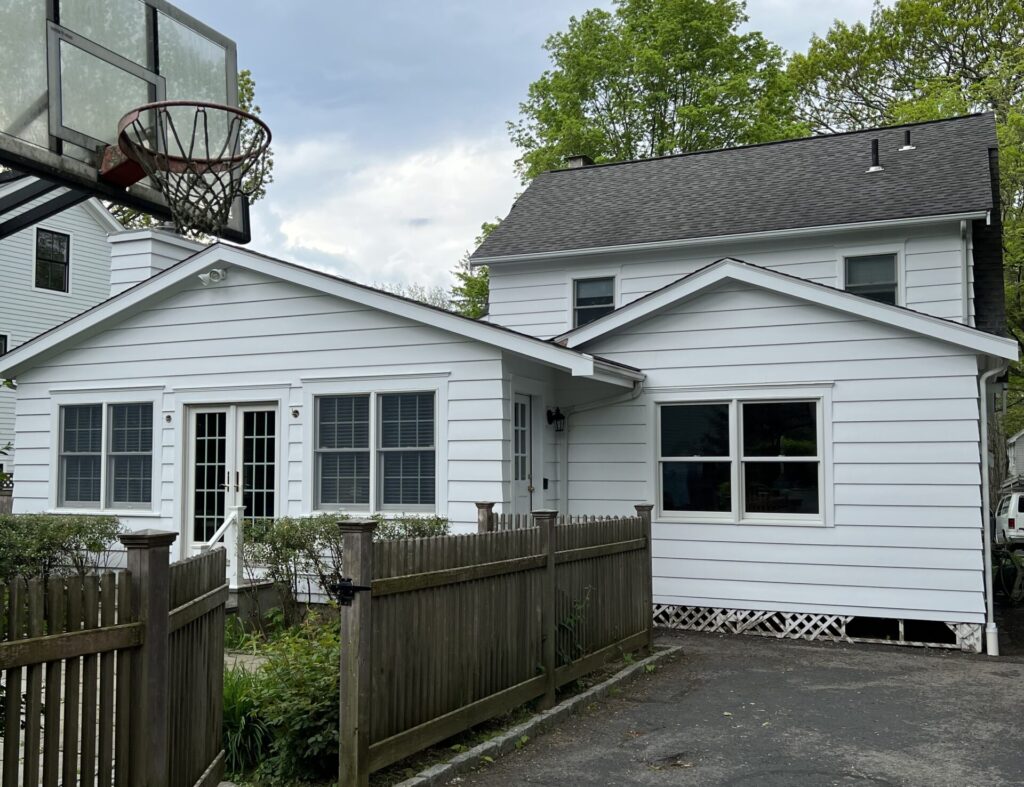
Why full sun exposure affects paint performance
Understanding how the sun impacts paint is key to choosing the right product. Full sun exposure presents several challenges to exterior paint:
- UV Radiation Breakdown: Ultraviolet (UV) rays are the primary culprit for paint degradation. They break down the chemical bonds in the paint’s binders and pigments. This breakdown manifests as:
- Fading: The most noticeable effect, where the color loses its vibrancy and intensity over time, especially common with darker or brighter hues.
- Chalking: A powdery residue forms on the surface as the paint binders break down, leading to pigment release.
- Loss of Sheen: The paint’s initial gloss or satin finish dulls and becomes flat.
- Heat Absorption and Thermal Cycling: Darker colors absorb more solar energy, causing the surface temperature to rise significantly. This extreme heat, coupled with cooler nighttime temperatures, leads to constant expansion and contraction of the substrate and the paint film. This “thermal cycling” can cause the paint to become brittle, crack, blister, and ultimately peel.
- Moisture Management: While direct sun dries surfaces quickly, fluctuating temperatures can also lead to condensation, and if the paint’s integrity is compromised, moisture can get trapped underneath, exacerbating peeling and blistering.
Features to look for in sun-resistant paints
To combat the harsh effects of full sun, look for exterior paints with the following characteristics:
- 100% Acrylic Latex Formula: This is the gold standard for exterior paints, especially in sunny climates. Acrylic binders are inherently more flexible, allowing the paint to expand and contract with the substrate without cracking. They also have superior adhesion and color retention compared to vinyl acrylics or oil-based paints.
- High-Quality Pigments: Premium paints use higher concentrations of stable, fade-resistant pigments that are less susceptible to UV degradation. Inorganic pigments tend to hold up better than organic ones in direct sun. Lighter colors (whites, grays, pastels, light neutrals) generally reflect more UV light and heat, thus fading slower than dark or vibrant colors.
- UV Inhibitors and Absorbers: These additives are specifically incorporated into the paint formula to absorb or block harmful UV radiation, protecting the pigments and binders from breakdown.
- Advanced Durability and Flexibility: Look for paints that emphasize terms like “extreme weather protection,” “elastomeric” (for stucco or masonry, as it provides a flexible, waterproof barrier), or “long-lasting finish.” These indicate a formulation designed to withstand harsh conditions.
- Excellent Adhesion: A strong bond to the substrate prevents peeling and blistering, even under thermal stress.
- Mildew and Algae Resistance: While not directly related to UV, these additives are crucial for any exterior paint, as moisture from condensation (especially in the evenings) can still promote growth.
- Paint + Primer in One (Often): Many high-quality exterior paints offer this feature, which can enhance adhesion and coverage, especially over existing finishes. However, a separate dedicated primer is still often beneficial for optimal performance on new or heavily weathered surfaces.
Top exterior paint brands for high UV areas
Leading paint manufacturers have invested heavily in developing products specifically for demanding exterior environments. While specific product lines can vary, here are some widely recommended brands and their notable offerings for full sun exposure:
- Sherwin-Williams:
- Duration Exterior Acrylic Latex: Often cited by professionals as a top choice for durability, coverage, and fade resistance. It’s known for its thick, flexible film.
- Emerald Exterior Acrylic Latex: A premium option offering exceptional resistance to blistering, peeling, and color fading, with a smooth, luxurious finish.
- Benjamin Moore:
- Aura Exterior Paint: Features proprietary “Color Lock” technology that creates a thick, durable film, trapping pigments for superior fade resistance and color retention, even in the darkest hues.
- Regal Select Exterior High Build: A versatile option offering excellent coverage, hide, and mildew resistance, with good durability against the elements.
- Behr (available at The Home Depot):
- Marquee Exterior Paint & Primer: Known for its “one-coat guaranteed” coverage (on certain colors) and advanced fade resistance, often performing well in sun exposure tests.
- Premium Plus Ultra Exterior Paint & Primer: A very popular and reliable choice offering good durability, mildew resistance, and UV protection for its price point.
- PPG:
- Permanizer Exterior Acrylic Latex: Has shown excellent performance in independent tests for color retention, dirt resistance, and overall durability in sunny conditions.
When choosing, always consult the manufacturer’s technical data sheet or speak with a paint store specialist to confirm the product’s specific UV and fade-resistant properties and suitability for your climate.
Application tips for sun-facing siding and trim
Even the best paint won’t perform optimally without proper application. For sun-exposed surfaces, these tips are particularly important:
- Thorough Surface Preparation is Non-Negotiable: This is the most crucial step. Clean the surface completely to remove dirt, chalk, mildew, and loose paint. Power washing, scrubbing with a cleaning solution, and rinsing thoroughly are essential. Scrape any peeling paint and sand rough areas. Repair any damage to the substrate (e.g., rotted wood).
- Ensure Surface is Bone Dry: Paint adhesion is severely compromised by moisture. Allow ample drying time after cleaning – often 24-48 hours, or longer in humid conditions. Use a moisture meter if unsure, especially for wood.
- Prime Appropriately: While some paints are “paint-and-primer-in-one,” a dedicated, high-quality exterior primer is almost always recommended for optimal results, especially on new, bare, or heavily weathered surfaces, or when drastically changing color. Primer enhances adhesion, seals porous surfaces, and provides a uniform base.
- Avoid Painting in Direct Midday Sun: This is counter-intuitive but critical. Painting in direct, intense sunlight can cause the paint to dry too quickly on the surface, preventing proper adhesion and curing, leading to premature blistering, cracking, or visible brush/roller marks.
- Best Practice: Work with the sun. Start on the shaded side of the house in the morning, and follow the shade around the house as the day progresses.
- Ideal Conditions: Paint when temperatures are between 50-85°F (10-29°C) and humidity is moderate (40-70%), avoiding extreme heat or cold.
- Apply Two Thin, Even Coats: Two thinner coats provide superior protection, durability, and color richness compared to one thick coat. Allow sufficient drying time between coats as per manufacturer instructions.
- Use High-Quality Tools: Invest in good brushes, rollers, or a sprayer designed for exterior acrylic latex paints. Quality tools ensure smooth, even application.
How to maximize color retention and lifespan
Beyond choosing the right paint and applying it correctly, ongoing care can significantly extend the life and vibrancy of your exterior paint.
- Choose Lighter Colors: As mentioned, lighter colors reflect more UV radiation and absorb less heat, naturally leading to better fade resistance than darker, more saturated hues.
- Regular Cleaning: Annually washing your home’s exterior with a mild detergent and water (using a soft brush or low-pressure power washer) removes dirt, grime, and pollutants that can degrade the paint film and trap moisture. This keeps the surface clean, allowing the UV-resistant properties of the paint to work effectively.
- Promptly Address Damage: Small chips, cracks, or areas of peeling should be addressed quickly. Spot repair and touch-ups prevent minor issues from escalating into larger, more costly repainting projects.
- Consider Strategic Shading: If feasible, planting trees or installing awnings, pergolas, or exterior shutters can provide shade to sun-drenched walls, significantly reducing direct UV exposure and heat absorption.
- Ensure Proper Ventilation in Walls: For siding, proper ventilation behind the siding allows moisture vapor to escape, reducing the risk of moisture-related paint failures.
- Regular Inspections: Periodically walk around your home to inspect the paint. Pay extra attention to south and west-facing walls, which receive the most sun. Early detection of issues allows for timely remediation.
By taking a comprehensive approach, from selecting the right UV-resistant paint to meticulous application and ongoing maintenance, you can ensure your home’s exterior remains vibrant, protected, and beautiful for many years, even under the full blaze of the sun.
Is your home’s exterior facing the sun’s toughest challenges? Don’t let fading paint diminish your curb appeal. Contact Selio Silva Painting today for expert advice on UV-resistant paints and a professional exterior painting service that ensures lasting color and protection!