



Vinyl siding is a popular choice for home exteriors due to its durability and low maintenance. However, over time, even vinyl can fade, become stained, or simply fall out of favor as tastes change. This often leads homeowners to wonder if they can paint it to achieve a fresh new look. The good news is, with advancements in paint technology, painting vinyl siding is not only possible but can be a cost-effective alternative to full replacement. However, it requires specific knowledge and proper techniques to ensure a lasting and successful outcome. Selio Silva Painting understands the unique challenges and best practices for painting vinyl siding, ensuring a beautiful and durable finish.
Painting vinyl siding can refresh your home’s exterior, but it’s not a standard paint job. Learn the crucial considerations, from specialized paints and prep to color limitations, to ensure a successful and long-lasting transformation.
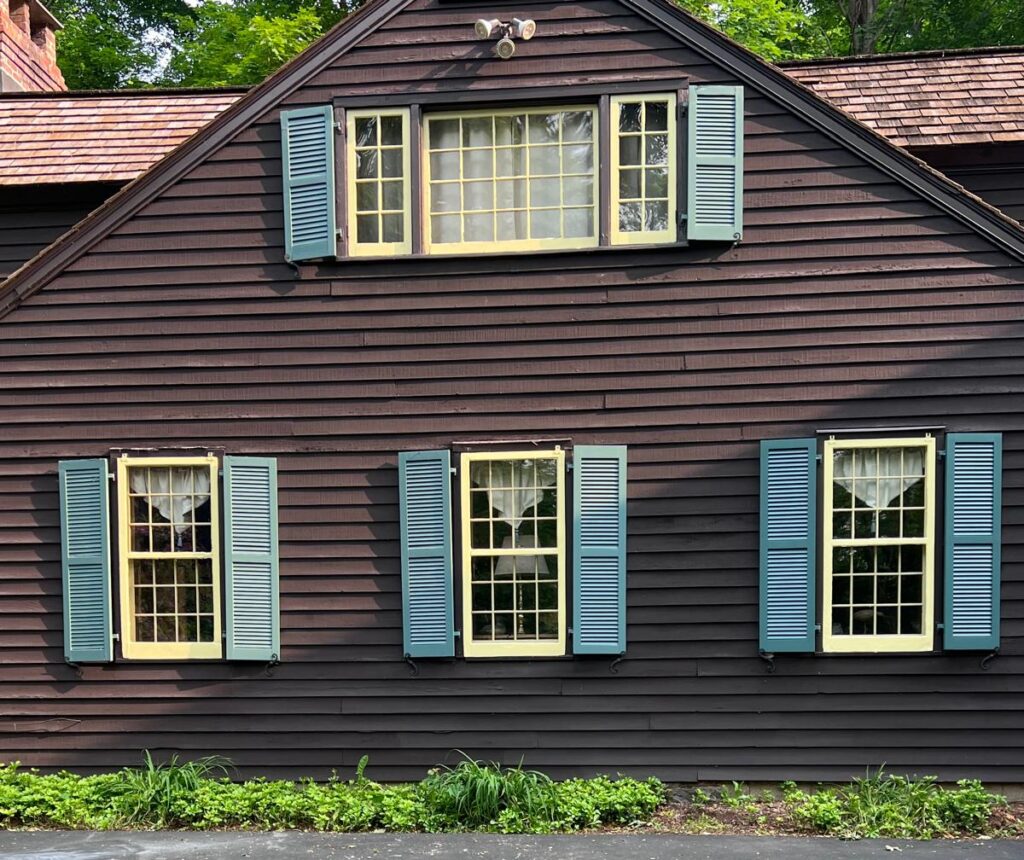
Is it safe and worth it?
The question of whether to paint vinyl siding safely and effectively is a common one. Thanks to modern paint technology, the answer is generally “yes,” and it can be a worthwhile investment.
- Is It Safe?
- Yes, with the right paint: The primary concern with painting vinyl siding used to be that dark colors would absorb too much heat, causing the vinyl to warp, buckle, or sag. Modern “vinyl-safe” paints are formulated with specific pigments that do not absorb as much solar energy, allowing for a broader (but still limited) range of colors without risking damage to the siding.
- Proper preparation is key: Ensuring the siding is perfectly clean and free of mildew before painting is essential for both adhesion and long-term safety.
- Is It Worth It? (Pros & Cons):
- Pros:
- Cost-Effective: Painting is significantly less expensive than completely replacing vinyl siding, making it an attractive option for budget-conscious homeowners looking for a refresh.
- Curb Appeal Boost: A new color can dramatically update your home’s aesthetic, increasing its curb appeal and potentially its market value.
- Extended Life: A fresh coat of high-quality exterior paint can provide an additional layer of protection against UV degradation and weathering, potentially extending the lifespan of the siding.
- Color Customization: Offers the flexibility to choose a specific color that might not be available in standard vinyl siding options.
- Cons:
- Limited Color Palette: While broader than before, you are still generally restricted to colors lighter than or similar to the original siding, or specific “vinyl-safe” dark colors. Painting too dark can still risk warping.
- Maintenance Required: Painted vinyl siding will require maintenance (cleaning, potential touch-ups) similar to any painted surface, unlike unpainted vinyl which is largely maintenance-free for color.
- Not a Permanent Fix: Paint will eventually fade or chalk over time (though quality paint lasts years), requiring re-painting. Vinyl siding itself holds its color for decades, typically.
- Risk of Failure (if done incorrectly): Improper prep or using the wrong paint can lead to peeling, blistering, or warping, requiring costly repairs.
- Pros:
Choosing paint made for vinyl
The most crucial decision when painting vinyl siding is selecting the correct type of paint. Standard exterior paints may not be suitable.
- 100% Acrylic Latex Paint with “Vinyl-Safe” Technology:
- Primary Choice: This is the industry standard and the most recommended type of paint for vinyl siding.
- Flexibility: Acrylic latex paints are flexible, allowing them to expand and contract with the vinyl siding as temperatures change, which helps prevent cracking and peeling.
- Adhesion: They adhere very well to vinyl surfaces.
- “Vinyl-Safe” Pigments: This is the key differentiator. These paints contain specialized pigments that reflect solar heat rather than absorbing it. This helps mitigate the risk of heat-related warping or distortion, even when choosing darker colors within the approved “vinyl-safe” range. Always look for this specific designation on the paint can.
- Low Sheen Finishes:
- Recommended: Eggshell, satin, or low-sheen finishes are generally preferred.
- Reason: High-gloss paints tend to highlight imperfections in the siding and can show fading more noticeably over time. Lower sheens offer a more forgiving and natural appearance for siding.
- Avoid:
- Oil-Based Paints: They become brittle as they age, making them prone to cracking and peeling on flexible vinyl. They also tend to have higher VOCs.
- Standard Exterior Latex Paints: Unless explicitly labeled “vinyl-safe,” these may not have the necessary heat-reflective pigments, especially if you’re considering a darker color.
How to prep vinyl siding for paint
Proper surface preparation is paramount for ensuring the paint adheres well and lasts. Skipping steps here is the leading cause of paint failure on vinyl siding.
- Thorough Cleaning:
- Remove Loose Debris: Start by removing any loose dirt, spiderwebs, and cobwebs with a broom or soft brush.
- Mildew and Grime Removal: This is the most critical step. Use a power washer (on a low to medium setting, keeping the nozzle moving and a safe distance from the siding to avoid damaging it or forcing water behind it) or a stiff brush with a solution of oxygen bleach (like OxiClean) or a dedicated siding cleaner. For stubborn mildew, a diluted bleach solution (1 part bleach to 3 parts water) can be used, but rinse extremely thoroughly afterward.
- Rinse Completely: Rinse the entire siding surface with clean water, ensuring all cleaning solution residue is removed. Leftover residue can interfere with paint adhesion.
- Allow to Dry: Give the siding ample time to dry completely – at least 24-48 hours, or longer in humid conditions. Any trapped moisture can lead to paint bubbling or peeling.
- Inspect and Repair:
- Damage: Inspect the siding for any cracks, holes, or loose panels. Repair or replace damaged sections before painting. Paint will not fix underlying structural issues.
- Loose Chalk: If the existing vinyl is chalky (a powdery residue that comes off when rubbed), ensure it’s completely cleaned off. A chalky surface will prevent new paint from adhering properly.
- No Priming Usually Needed:
- For most “vinyl-safe” 100% acrylic latex paints, a dedicated primer is not required on clean, sound vinyl siding. The paint itself is designed to adhere directly.
- Exception: If you are changing from a very dark existing color to a very light new color, or if the siding is severely faded/damaged and you need extra adhesion, a specialized acrylic bonding primer (compatible with vinyl) might be recommended by the paint manufacturer. However, for most repaints, the paint-and-primer-in-one vinyl-safe formulations are sufficient.
Color limitations and fading risks
While “vinyl-safe” technology has expanded color options, important limitations remain.
- Thermal Expansion and Warping: Vinyl siding is designed to expand and contract with temperature changes. Dark colors absorb more heat. If vinyl gets too hot, it can expand excessively, leading to warping, buckling, or bubbling. This is the primary reason for color limitations.
- “Vinyl-Safe” Technology: Paints labeled “vinyl-safe” contain infrared-reflective pigments that help minimize heat absorption. This allows for the use of darker colors than traditionally possible, but the available palette is still curated by manufacturers.
- The Rule of Thumb: Generally, you should stick to colors that are lighter than or similar in lightness to the original vinyl siding color. If you want a significantly darker color, you must use a paint specifically labeled “vinyl-safe” and choose from their approved dark color palette.
- Manufacturer Warranties: Be aware that painting vinyl siding may void its original manufacturer’s warranty, especially if done with non-approved paints or colors. Always consult the paint manufacturer’s guidelines carefully.
- Fading Risks: Like any exterior paint, vinyl siding paint will eventually fade over time due to UV exposure. High-quality acrylic latex paints offer good fade resistance, but darker colors may show fading more noticeably than lighter ones over a long period.
When to replace instead of repaint
While painting is a great option for many, there are scenarios where replacing your vinyl siding makes more sense.
- Extensive Damage:
- Widespread Cracking, Holes, or Warping: If a significant portion of your siding is physically damaged beyond minor repairs, painting won’t solve the structural issues.
- Mold/Mildew Behind Siding: If there’s persistent mold growth that seems to originate from behind the siding, it indicates moisture issues that paint cannot fix and replacement may be necessary to address underlying problems.
- Severe Fading/Chalking of Old Siding: While paint can cover fading, if the original vinyl has become excessively brittle or is constantly shedding a thick layer of chalk, its integrity might be compromised, making paint adhesion challenging in the long term.
- Desire for a Completely Different Look/Material: If you’re tired of vinyl altogether and want to switch to a different exterior material (e.g., fiber cement, wood, brick) or a style that paint cannot replicate.
- Poor Energy Efficiency: If your existing siding offers poor insulation or you’re looking for a significant upgrade in your home’s energy efficiency, new siding with integrated insulation might be a better long-term investment.
- Age of Siding: Vinyl siding typically lasts 20-40 years. If your siding is at the end of its expected lifespan, even a fresh coat of paint might not prevent other age-related issues from emerging soon after.
Ultimately, the decision to paint or replace comes down to the condition of your existing siding, your budget, and your long-term goals for your home’s exterior. Selio Silva Painting can help you assess your siding’s condition and provide expert guidance on the most suitable solution for your home.