



Light gray exterior house paint offers a sophisticated, understated, and incredibly versatile aesthetic that has become a cornerstone of modern and traditional home design alike. Ranging from almost-white grays to soft, mid-tone charcoals, light gray provides a serene and elegant backdrop that allows architectural details and landscaping to truly shine. This guide will explore popular light gray shades, how to pair them with various exterior elements, the impact of natural light, and the distinct advantages of choosing this timeless color for your home.
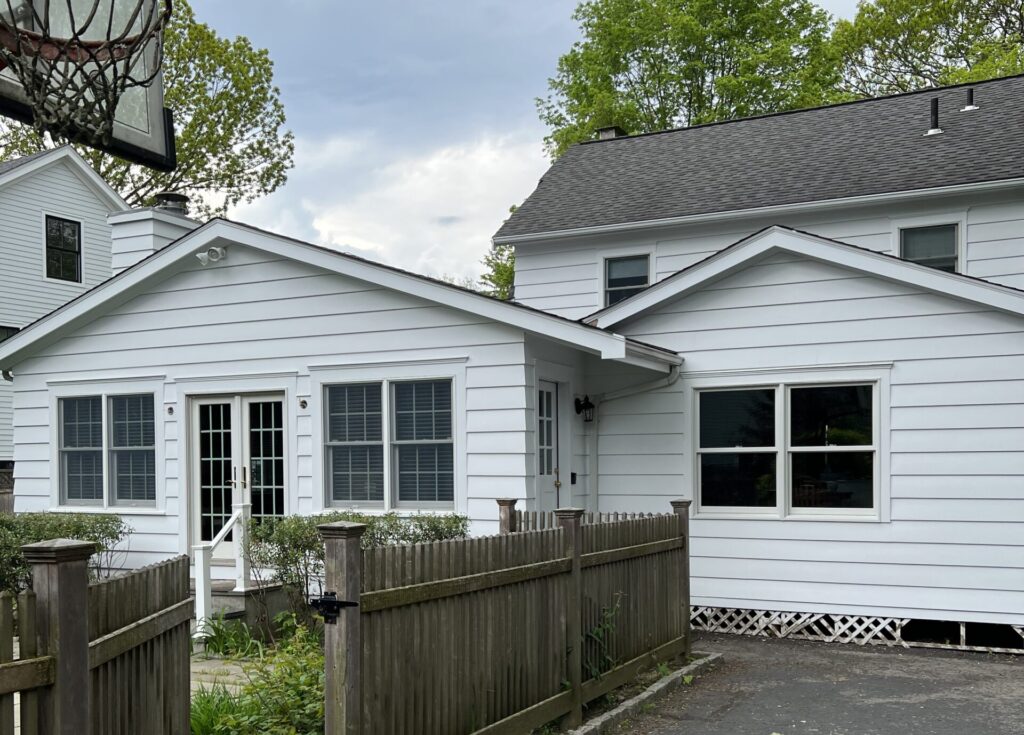
Recommended shades: Repose gray, colonnade gray, silver glass
The world of light gray exterior paints is nuanced, with each shade possessing subtle undertones that influence its overall appearance. While specific names might vary by brand, here are popular types and their general qualities:
- Repose Gray (Representative of a Warm Greige):
- Description: A highly popular and versatile light greige (gray + beige) with subtle warm undertones. It’s a “chameleon” color that can appear more gray or more beige depending on the light.
- Visual Effect: Creates a soft, inviting, and timeless aesthetic. It offers the sophistication of gray with the warmth of beige, making it incredibly adaptable.
- Best For: Traditional, farmhouse, transitional, and contemporary homes seeking a neutral that feels cozy and sophisticated.
- Colonnade Gray (Representative of a Balanced Warm Gray):
- Description: A slightly darker, but still light, warm gray with a clear beige undertone. It’s a true greige that leans more into its gray side than Repose Gray.
- Visual Effect: Provides a grounded, elegant, and welcoming feel. It’s a solid neutral that offers more depth than a very pale gray.
- Best For: Homes looking for a versatile warm gray that pairs well with natural wood and traditional elements.
- Silver Glass (Representative of a Cool Gray with Blue/Green Undertones):
- Description: A light gray with distinct cool undertones, often leaning slightly blue or green.
- Visual Effect: Creates a crisp, clean, and modern aesthetic. It can make a home feel airy and contemporary, especially when paired with white trim.
- Best For: Modern, minimalist, coastal, or contemporary homes that embrace cooler palettes.
- Pure Light Gray (Minimal Undertones):
- Description: A very light gray that is close to a true neutral, with minimal discernible warm or cool undertones.
- Visual Effect: Offers a clean, understated, and very versatile backdrop.
- Best For: Homes where other elements (e.g., a colorful front door, vibrant landscaping) are meant to be the focal point, or for a truly minimalist aesthetic.
Contrast pairings: White trim, door accent colors
Light gray exteriors provide an excellent canvas for creating striking contrasts and enhancing curb appeal with trim and door colors.
- Trim Colors (Most Popular Choices):
- Crisp White: The most classic and popular choice. A clean, bright white trim (e.g., a pure white or a slightly cool white) provides a sharp, elegant contrast against light gray, making the house pop and highlighting architectural details. This creates a very fresh and timeless look.
- Cream/Off-White: For a softer, more traditional, or inviting look, especially with warm grays (greiges), a creamy or off-white trim can be beautiful. It offers contrast without being as stark as pure white and enhances the warmth of the gray.
- Dark Gray/Charcoal: For a sophisticated, monochromatic, or modern aesthetic, a darker shade of gray or even charcoal trim can be used with a lighter gray house. This creates a subtle yet impactful contrast and a sleek, contemporary feel.
- Black: A bold choice for trim, especially on modern or industrial-style homes. Black trim against light gray creates a very strong, graphic contrast that defines architectural lines sharply.
- Front Door Colors (Statement Makers):
- Classic Red: A vibrant red door is a timeless and welcoming choice against light gray, adding a traditional pop of color.
- Deep Navy or Royal Blue: Creates a sophisticated and elegant contrast, especially with cool grays, evoking a coastal or classic feel.
- Earthy Green (Sage, Forest Green): Adds a natural, calming, and sophisticated touch, blending beautifully with the landscape.
- Bright Yellow/Orange: For a playful or energetic statement, a sunny yellow or burnt orange door can create a surprising and inviting pop.
- Classic Black: A black door creates a sophisticated, elegant, and strong focal point, especially with a light gray house.
- Natural Wood: A rich, stained wood door adds warmth, texture, and an organic element that beautifully complements light gray.
- Garage Doors: Generally, paint garage doors the same color as the house to make them blend in and avoid drawing too much attention away from the front door or other architectural features.
Impact of light & landscaping on gray undertones
The appearance of light gray exterior paint is highly dynamic, shifting significantly based on natural light conditions and the surrounding landscape.
- Natural Light Impact:
- North-Facing Homes: These homes receive cooler, indirect light throughout the day. Light grays here will appear deeper, sometimes almost like a mid-tone gray, and any cool undertones (blue, green) will be more pronounced.
- South-Facing Homes: Receive abundant, warm, and direct light. Light grays will appear brighter and truer to their color. Warm undertones will be more apparent, and the color might seem lighter than on a north-facing wall.
- East-Facing Homes: Get bright, warm morning light, which turns cooler in the afternoon. Light grays will look their truest in the morning, then deepen and potentially show more cool undertones later in the day.
- West-Facing Homes: Receive intense, warm afternoon light. Light grays can look very vibrant or even slightly washed out in direct, strong sun. Observe how the color will appear during the evening hours when it’s most visible.
- Overcast Days: On cloudy days, colors will appear more muted and flat, and their true undertones will be less apparent.
- Landscaping Influence:
- Greenery: Lush green trees, shrubs, and grass can make a gray with green undertones pop, or they can lend an earthy feel to a neutral gray.
- Flowering Plants: The colors of your flowers can be beautifully highlighted by a neutral gray backdrop.
- Hardscaping: The color of your pathways, patios, and driveways (e.g., concrete, stone, brick) will also influence how the gray appears. Ensure the undertones of your gray complement these fixed elements.
- Neighboring Homes: Consider the colors of adjacent houses. Your chosen light gray should complement, not clash with, the overall neighborhood aesthetic.
Tip: Always test large paint samples on different sides of your home. Observe them at various times of day and under different weather conditions (sunny, cloudy) to see how the undertones truly emerge and how the color shifts.
Advantages of light gray: Low visual heat, timeless appeal
Choosing light gray for your home’s exterior offers several distinct benefits that contribute to both its aesthetic and practical advantages.
- Low Visual Heat & Energy Efficiency:
- Lighter colors reflect more sunlight and absorb less heat compared to dark colors. This means a light gray home will generally have a cooler surface temperature, which can potentially lead to lower cooling costs in warmer climates.
- It creates a visually “cooler” and more refreshing appearance, especially in sunny environments.
- Timeless Appeal:
- Light gray is a classic neutral that transcends fleeting trends. It offers a sophisticated and enduring aesthetic that will remain stylish for decades, minimizing the need for frequent repainting due to outdated color choices.
- It’s a color that appeals to a wide range of tastes, making it an excellent choice for resale value.
- Versatility with Accents:
- Its neutral nature provides an incredibly versatile backdrop for almost any accent color on doors, trim, or shutters. This allows homeowners to easily change their home’s personality with minimal effort.
- It also complements a vast array of landscaping colors and styles, allowing your garden to be the star.
- Hides Imperfections & Dirt:
- Compared to stark white, light gray is more forgiving when it comes to showing dirt, dust, and minor imperfections on the siding. It doesn’t show every speck, making maintenance feel less demanding.
- Enhances Architectural Detail (with Contrast):
- When paired with crisp white trim, light gray beautifully highlights architectural details like window frames, columns, and intricate moldings, giving the home a polished and refined look.
- Expansive Feel:
- Lighter colors reflect more light, making a home appear larger and more expansive. This is particularly beneficial for smaller homes or those nestled among larger structures.
Selio Silva Painting’s color sampling methods
Choosing the perfect exterior paint color is a significant investment in your home’s curb appeal and value. At Selio Painting Silva, we employ a meticulous color sampling process to ensure you select a light gray that perfectly enhances your home and stands the test of time.
- In-Depth Color Consultation: We begin with a personalized discussion to understand your vision, your home’s architectural style, and your aesthetic preferences. We’ll discuss how various light gray shades and their undertones will interact with your home’s unique characteristics.
- Strategic Sample Application: We guide you through the crucial step of applying large paint samples (not just small swatches) directly onto different sides of your home’s exterior. This is paramount for light grays, as their undertones are highly sensitive to light.
- Observation Across Conditions: We encourage you to observe these large samples at various times of day (morning, midday, afternoon, evening) and under different weather conditions (sunny, cloudy). This allows you to see how the light gray shifts, how its undertones emerge, and how it interacts with shadows and direct sunlight.
- Integration with Fixed Elements: We help you visualize the samples against your existing fixed elements:
- Roof Color: Ensuring the gray’s undertones harmonize with your roofing.
- Brick or Stone: Checking how the gray complements the natural colors and textures of your foundation or accent areas.
- Trim & Door Colors: Assessing the overall palette with your chosen accent colors.
- Landscaping: Observing how the gray interacts with your garden’s greenery and other outdoor elements.
- Refinement and Final Decision: Based on your observations and our expert guidance, we refine the choices until you are completely confident and thrilled with your final light gray selection.
- Professional Application: Once the color is finalized, our skilled painters ensure meticulous surface preparation and flawless application, resulting in a durable and beautiful finish that enhances your home’s curb appeal for years to come.
With Selio Painting Silva, your light gray exterior house paint project is an investment in unparalleled curb appeal, executed with the highest standards of quality and craftsmanship.
Ready to transform your home with a subtle, timeless, and elegant light gray exterior? Selio Painting Silva specializes in expert exterior painting, offering professional color consultation and flawless application to enhance your home’s beauty and curb appeal. Contact us today for a free consultation and let’s bring your vision to life!